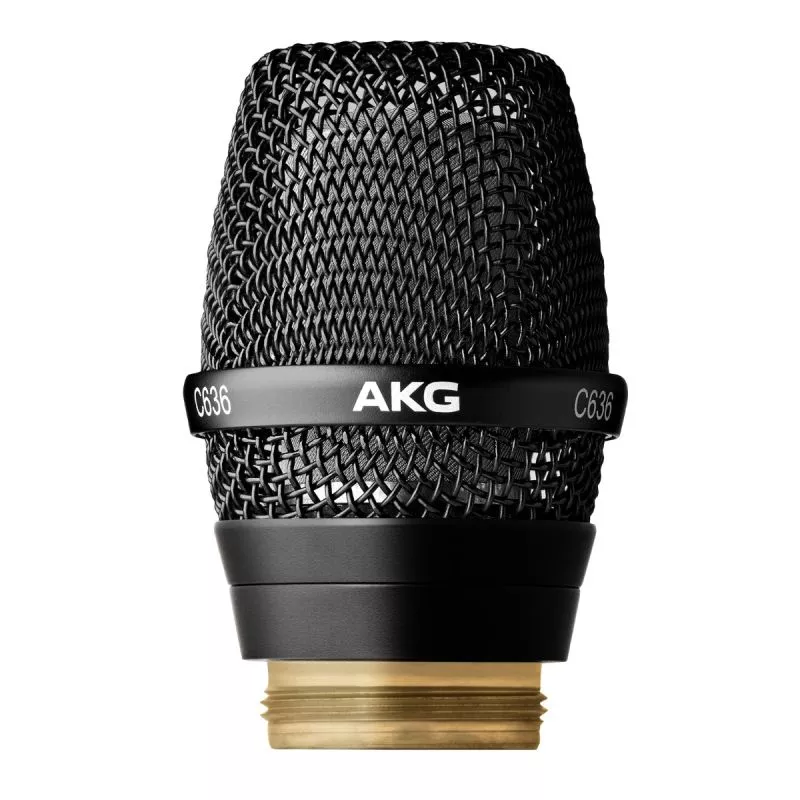
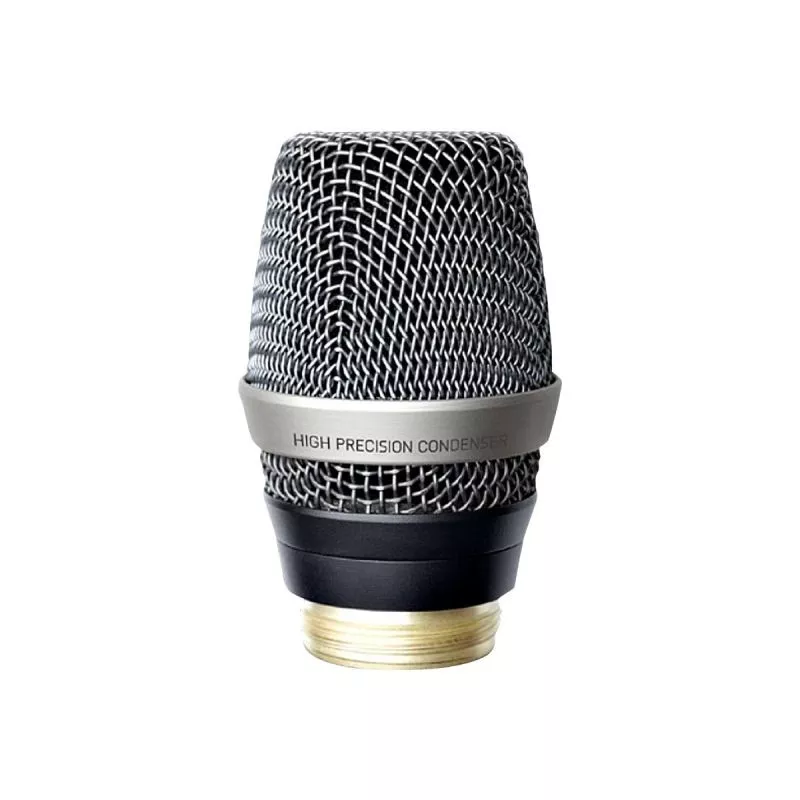
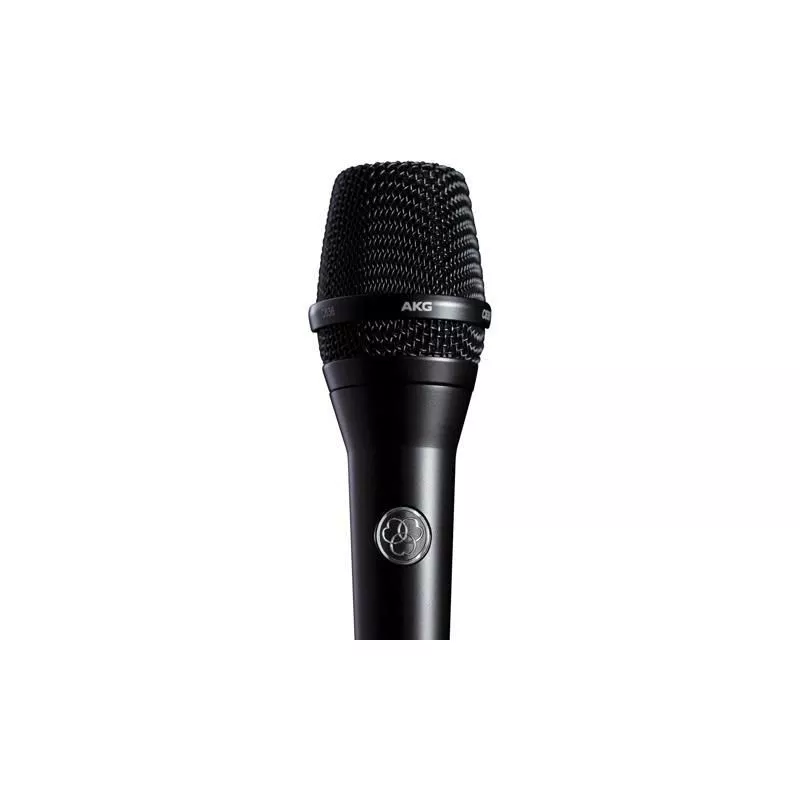
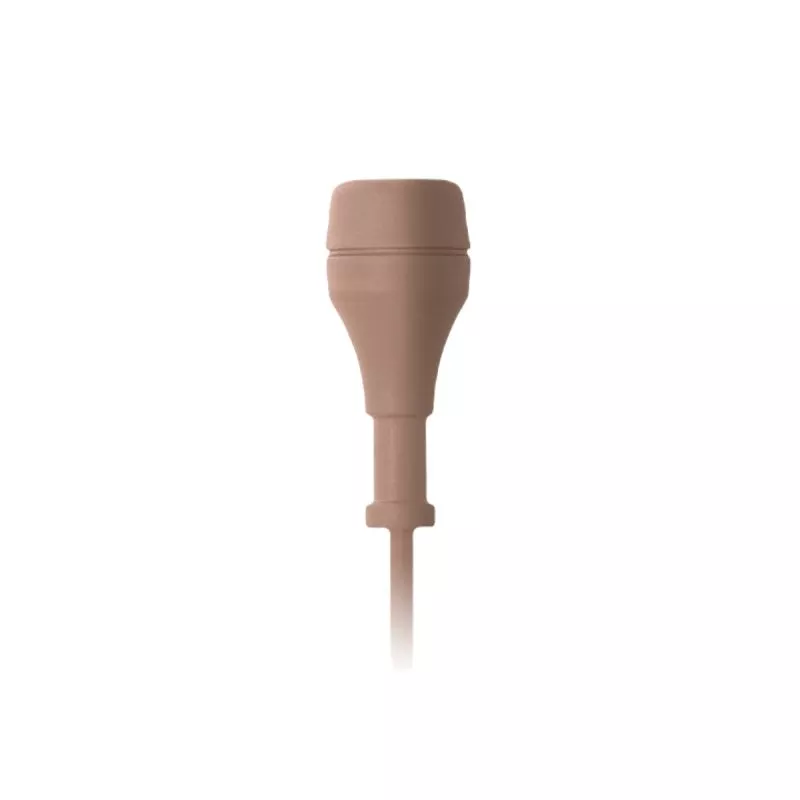
AKG C104 Recording Microphone
The AKG C104 is a side-address large-diaphragm condenser built on a clean, transformerless FET circuit that delivers transparent, detailed capture across the full audio spectrum. Its compact form factor and straightforward design make it a dependable choice for studio work where sonic purity and consistent performance matter most.
Sonic Character & Recording Performance
With a frequency response of 20 Hz–20 kHz and sensitivity of 13.5 mV/Pa (−37.5 dBV), the C104 captures articulate detail across vocals, acoustic instruments, and ambient sources. The self-noise level of 14 dB(A) SPL keeps background noise minimal, while the maximum SPL of 143 dB allows it to handle dynamic sources without distortion. In the mix, its transparent character leaves room for EQ and processing without adding unwanted coloration.
Design & Workflow Integration
The microphone features a 22mm electret condenser diaphragm with nickel sputtering and a body constructed from 100% recycled PIR metals and alloys—thoughtful materials engineering that supports both durability and environmental responsibility. The cardioid polar pattern provides focused pickup while rejecting off-axis noise, ideal for controlled recording environments and multitrack sessions where isolation matters.
Key Features
- 22mm electret condenser capsule with nickel-sputtered diaphragm
- Cardioid polar pattern for focused directional pickup
- Side-address large-diaphragm condenser design
- Transformerless FET circuit for transparent signal path
- Frequency response: 20 Hz–20 kHz
- Sensitivity: 13.5 mV/Pa (−37.5 dBV)
- Self-noise: 14 dB(A) SPL
- Maximum SPL: 143 dB
- Electrical impedance: ≤ 200 ohms
- Recommended load impedance: ≥ 1000 ohms
- Requires 48V phantom power via XLR connection
- No onboard switches, pads, or high-pass filters
The C104 combines transparent electronics, robust transient handling, and a no-frills feature set that prioritizes what matters in the recording chain: clean, uncolored sound that captures sources with accuracy and sits naturally in the mix.